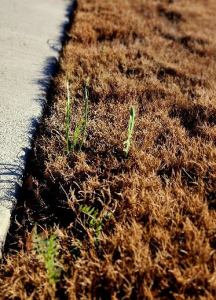
We’ve had a warmer than normal winter. The grass is still dormant, but the weeds aren’t. If
you’ve started to notice pesky weeds or patches in your lawn, you’re not alone. Many
homeowners face these same challenges, especially during seasonal transitions. While
the appearance of weeds or thin/patchy areas in your lawn may seem like a random
occurrence, they often stem from a combination of weather, timing, and lawn care
practices, or sometimes the lack of them.
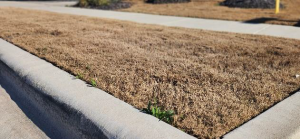 One of the most critical pieces of lawn care is the effective use of pre-emergent. These products are essential for maintaining lush, healthy, weed-free turf. But why are they so important, and how do they relate to common lawn issues?
What are Pre-Emergent Herbicides?
Pre-Emergent herbicides are specialized products designed to stop weeds before they
even appear. These products create a barrier in the soil that keeps weeds from
germinating. This proactive approach is key in preventing weeds from taking over your turf
before the season even starts.
Why do you have weeds now?
1. Timing Issues
The most common reason for weed invasion is improper timing when applying pre-
emergent. Ideal application is before soil temperatures reach 55°F for several days,
typically in the spring and fall seasons.
2. Heavy Rain or Irrigation
Heavy rain or excessive irrigation can wash away pre-emergent. This is especially
problematic if it occurs right after application.
3. Poor Lawn Health
Thin patches create the perfect environment for weeds to take over. Weak grass
struggles to compete for nutrients with aggressive weeds. Even proper pre-
emergent application may be ineffective in an unhealthy lawn. Weeds will often still
find an opportunity to establish themselves.
Why do you have thin patches in your turf?
1. Compacted Soil
When soil becomes compacted, grass cannot grow. Compaction is common in
 high foot traffic areas and heavy clay soils. Compacted soils limit oxygen and
nutrients, leaving turf weak and vulnerable.
2. Improper Watering
Watering too much and too little can both lead to a
patchy lawn. Overwatering promotes fungal diseases
and root rot. Underwatering can lead to turf drying out
and dying.
3. Nutrient Deficiency
Lack of proper fertilization can result in weak grass and
thin patches. Your lawn needs a balanced diet of
Nitrogen, Phosphorus, and Potassium specific for the Central Texas region.
4. Pest & Disease
Grubs and Chinch bugs can damage your lawn by eating the grass roots and
leaves. If you’ve noticed yellowing, browning, or thin patches in your lawn, pests
could be the cause. Fungal diseases can also lead to bare or thinning patches in
your lawn.
Tips for healthy turf
- Apply pre-emergent at the right time: Timing is everything. Apply in early
spring and again in the fall minimally. - Address thin patches: Aerate your turf, reseed, and fertilize to improve
grass density - Proper watering: Ensure consistent watering with the correct coverage;
early morning watering is best to avoid disease. - Keep turf healthy: Mow regularly, fertilize, add soil enhancers as needed
- Monitor for pest & disease: Inspect your lawn regularly for signs of pest and
disease presence.
If you need help or assistance give us a call. We are here to help. Also check out our Seasonal Offers and start saving!


 Red & White Greenery
Since 1983, Red & White Greenery Inc. has delivered industry-leading landscape construction and management services. We construct and manage outdoor spaces that combine beauty, functionality, and inspiration.
Customer Portal