If you live in Central Texas, you know winter can be unpredictable. One week it’s 75° and sunny, the next we’re covering pipes for a surprise freeze. Before you flip the switch on your irrigation system this spring, it’s critical to make sure everything is in good shape.
As irrigation professional in the Central Texas area, We see the same issues every year. A little preventative inspection now can save you from high water bills, soggy lawns, and expensive repairs later.
Here are the four key components you should always check before running your system for the first time after winter.
Backflow Preventer (Pressure Vacuum Breaker, RPZ or Double Check)
Your backflow preventer is one of the most important safety components in your irrigation system. In Central Texas, most systems use a Double Check Back Flow, Pressure Vacuum Breaker (PVB) or a Reduced Pressure Zone (RPZ) assembly.
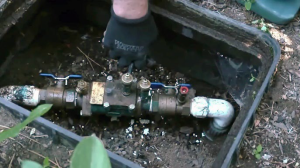
Why It Matters
This device prevents contaminated irrigation water from flowing back into your home or city’s drinking water supply. It’s required by code—and for good reason.
What to Check
- Visible cracks in the brass body (especially after a hard freeze)
- Loose fittings or unions
- Leaking shut-off valves
- Missing or damaged test cocks or caps
Freeze damage is extremely common here, particularly if the system wasn’t fully winterized. Even a small hairline crack can become a major leak under pressure.
Pro Tip: When turning water back on, open the valves slowly. Sudden pressure can damage internal components.
Valve Boxes and Solenoid Valves
Valve boxes tend to collect dirt, mulch, and sometimes even fire ants over the winter.
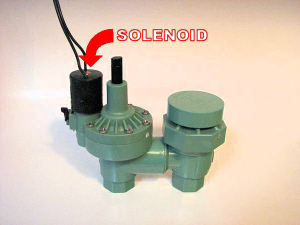
Why It Matters
Your irrigation valves control water flow to each zone. If a valve sticks open or fails to activate, you’ll either have dry spots—or a swamp.
What to Check
- Remove the lid and clear out debris
- Look for standing water (a sign of a leak)
- Inspect wires for rodent damage
- Check that each solenoid is secure and not cracked
In Central Texas clay soils and shifting ground can also stress fittings and manifolds. If you see muddy water or soil erosion inside the box, that’s usually a red flag.
Sprinkler Heads and Drip Lines
Sprinkler heads take the most abuse year-round—from lawn mowers, foot traffic, pets, and soil movement.
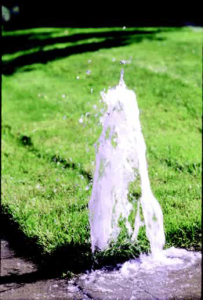
Why It Matters
Even one broken or misaligned head can waste hundreds of gallons of water and create uneven coverage. With Central Texas often under watering restrictions, efficiency is critical.
What to Check
- Broken or cracked heads
- Heads tilted or sunk too low
- Clogged nozzles
- Mismatched spray patterns
- Damaged drip emitters or chewed tubing
Run each zone manually and walk the property while it’s operating. Look for:
- Dry patches
- Overspray onto sidewalks or driveways
- Excessive misting (often a sign of high pressure)
Pro Tip: Spring is also a great time to adjust spray patterns to account for new landscaping or plant growth.
Controller Settings (Don’t Skip This)
While not a mechanical component, your irrigation controller deserves attention too.
- Check the date and time
- Replace backup batteries if needed
- Adjust watering schedules for spring rainfall
- Make sure you’re complying with local watering restrictions
In Central Texas, overwatering in early spring is one of the biggest mistakes homeowners make. Clay soils hold moisture longer than you think.
Final Thoughts
Before turning your irrigation system loose for the season, take 30–60 minutes to inspect:
- Backflow preventer
- Valves and wiring
- Sprinkler heads and drip lines
A careful spring startup helps:
- Prevent costly leaks
- Improve water efficiency
- Protect your home’s water supply
- Keep your landscape healthy through our intense Texas summer
If you’re unsure about anything—or if you experienced a hard freeze this winter—it’s always smart to schedule a professional irrigation checkup. Give us a call 512-930-4707
A little attention now goes a long way toward a stress-free watering season.
SPRING START-UP SPECIAL
$49.99 incl. up to 12 zones. Click to Learn More.


 Red & White Greenery
Since 1983, Red & White Greenery Inc. has delivered industry-leading landscape construction and management services. We construct and manage outdoor spaces that combine beauty, functionality, and inspiration.
Customer Portal