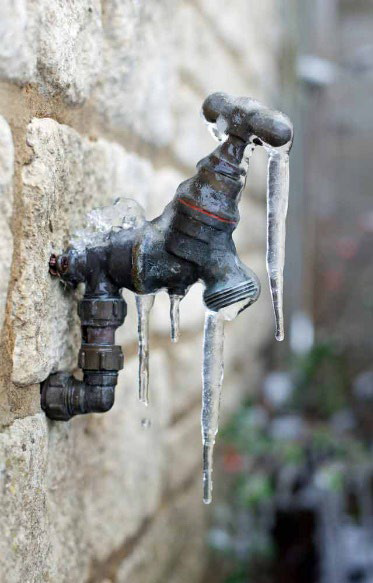
With expected temperatures to dip down into the teens in the next few days, here are some tips to help you avoid costly repairs to your backflow and irrigation system:
Step 1: Turn on the lowest zone. From the controller, turn on the irrigation zone that is at the lowest elevation point on your property – if you’re not certain, use your best judgement.
Step 2: Shut the water off. Locate the shut-off valve for your irrigation system. This is usually located by your water meter in a box in the ground, but not always. Older systems might not have an isolation valve for the irrigation system and you might need to shut the water using the backflow preventer – consider getting an isolation valve installed if you do not have one since the backflow preventer should not be used regularly to shut off the water. Shut the water off.
*Tip: Once you locate your shut-off or backflow preventer, take pictures and ensure that the box does not get covered in the future.
Step 3: Relieve Pressure. Let the system continue to run with the water off and controller still on. This allows for the pipes to drain as much as possible creating space in the pipes for water to expand if temperatures drop low enough to freeze.
Step 4: Drain the backflow preventer. One of the most expensive components in your system is your backflow device. This component is crucial for public health as well. Its purpose is to prevent irrigation water from returning back into our drinking water. Locate the 2-4 small test cocks and with a small flat head screwdriver, open these up and leave at a 45 degree angle during the “off” season.
Step 5: Turn off your controller. With the water off and your system drained, you can now turn the dial on your controller to the “off” position. Leave it off until you want to use the system again in the spring.
Protect your investment – winterize every year
Be sure to insulate any exposed pipes or any above ground backflow preventers or other exposed components. Winterizing your irrigation system can be simple, but not every system is as straightforward as outlined in this guide. If you need help or guidance, give us a call!


 Red & White Greenery
Since 1983, Red & White Greenery Inc. has delivered industry-leading landscape construction and management services. We construct and manage outdoor spaces that combine beauty, functionality, and inspiration.
Customer Portal